

Choosing a laser marking machine starts with the material and the required result—not with the laser source alone. The right configuration depends on what you need to mark, how the part moves through production, the appearance and durability of the mark, and whether the equipment must work as a standalone station or as part of an automated line.
This guide provides an engineering framework for comparing fiber, CO2, and UV laser marking options. It is a starting point for application review, not a substitute for testing your material and part geometry with the intended configuration.
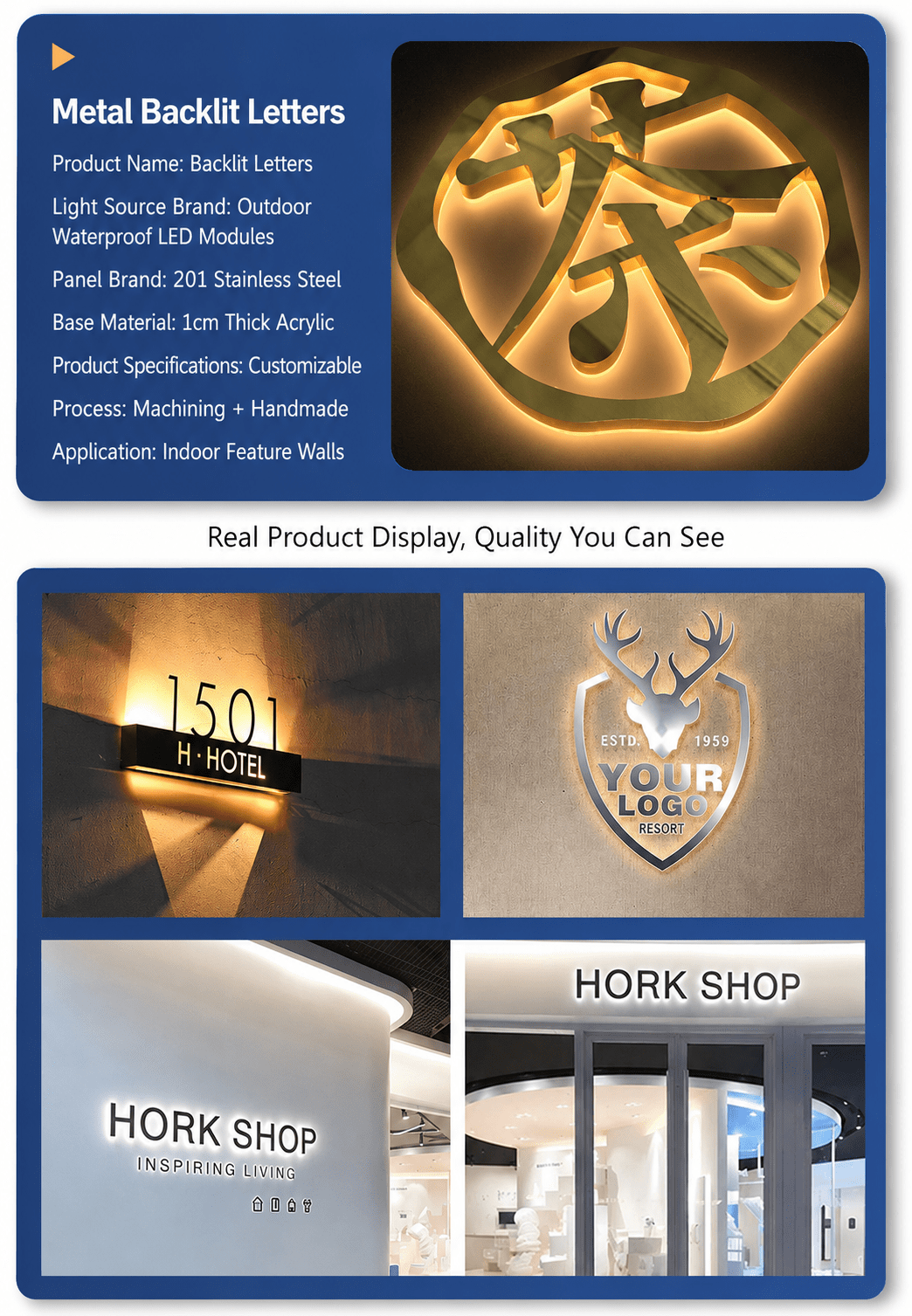
Start with the application, not the machine name
Before comparing laser types, document the production requirement:
- Material: metal, plastic, acrylic, wood, coated material, glass, film, or another substrate;
- Part geometry: flat, cylindrical, curved, irregular, or difficult to position;
- Mark type: text, serial number, barcode, QR code, logo, graphic, surface treatment, or a combination;
- Mark appearance: contrast, depth, color change, surface finish, and acceptable heat impact;
- Production workflow: manual loading, fixture-based operation, conveyor handling, or automated integration;
- Traceability: whether the mark must remain readable throughout the product life cycle;
- Validation: the sample test, inspection method, and acceptance criteria.
A good equipment recommendation should connect each machine specification to one of these requirements. Explore the laser marking applications section for confirmed application categories.
Fiber laser marking: a common starting point for metal applications
Fiber laser systems are often evaluated first for metal marking and industrial traceability applications. They may be relevant when the requirement involves metal parts, identification marks, serialisation, barcodes, or production information that must remain readable.
During a fiber-laser evaluation, confirm:
- the exact metal or surface condition;
- whether the required result is surface marking, color change, or deeper engraving;
- the required contrast and readability;
- the part size and working area;
- the marking sequence and data source;
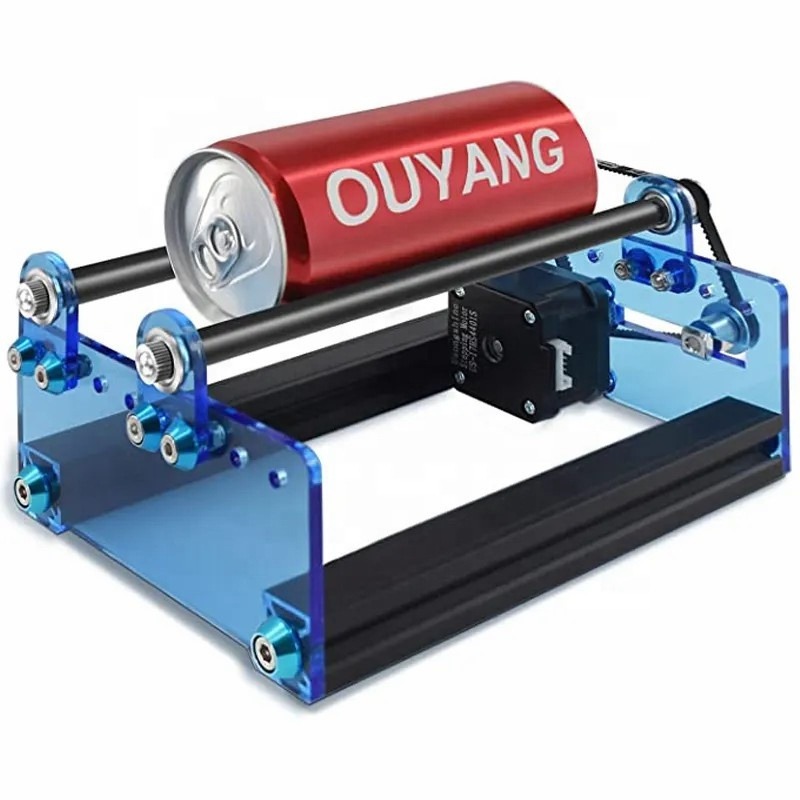
- fixture or rotary requirements;
- whether the system must connect to existing production equipment.
Do not select a fiber system solely because the material is described as metal. Coatings, finishes, alloys, geometry, and the required appearance can change the test result. The engineering team should validate the intended material and mark before final selection.
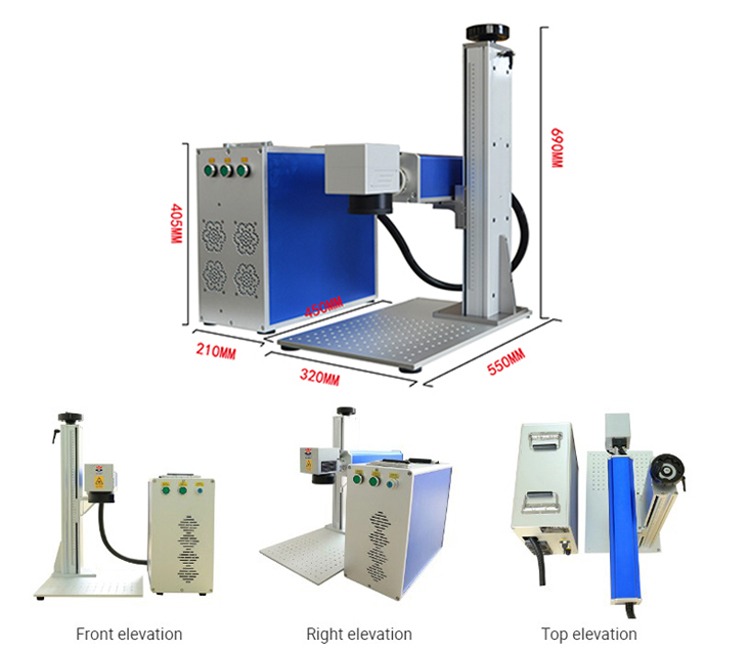
Review the available industrial laser machines and confirm the exact model and material scope before making a purchase decision.
CO2 laser marking: evaluate organic and coated materials carefully
CO2 laser systems may be considered for applications involving materials that respond differently from bare metals, including selected organic, coated, or non-metal substrates. The correct choice depends on the actual material composition and the visual or functional result required.
For a CO2 evaluation, document:
- the exact material grade and surface treatment;
- whether the material is single-layer or laminated;
- the required contrast, depth, or surface effect;
- whether heat-affected areas are acceptable;
- fume extraction and workplace requirements;
- part handling and focusing requirements;
- whether the application is marking, cutting, or both.
Material names alone are not sufficient for a final recommendation. Two products sold under a similar material name may behave differently because of additives, coatings, fillers, or manufacturing processes.
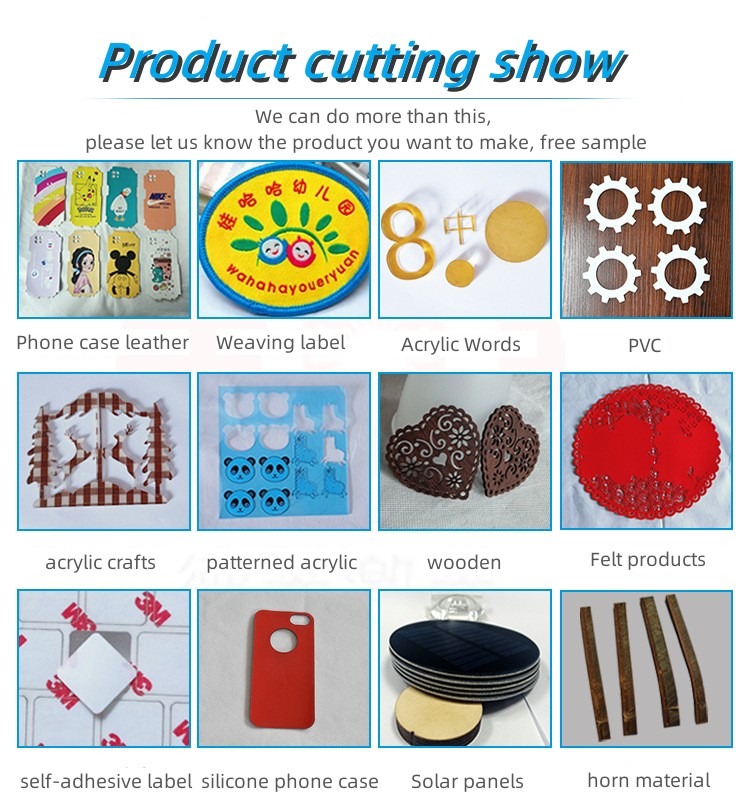
For a confirmed product example, review the CO2 laser marking machine for packaging page and confirm that its published scope matches your material and process.
UV laser marking: consider when heat impact and surface response matter
UV laser systems are often evaluated for applications where the material or product surface requires a different interaction than a conventional infrared source provides. They may be relevant for selected plastics, films, electronics-related components, coated surfaces, or other applications where the required mark quality and heat impact need careful validation.
A UV evaluation should include:
- the exact substrate and any coating or laminate;
- the required mark color, contrast, and readability;
- sensitivity to heat, deformation, or surrounding-surface change;
- the required feature size and graphic detail;
- production cycle and duty requirements;
- inspection and acceptance criteria;
- enclosure, handling, and safety requirements.
The right decision should come from a sample test and an agreed acceptance method. Avoid treating UV as a universal answer for every delicate material.
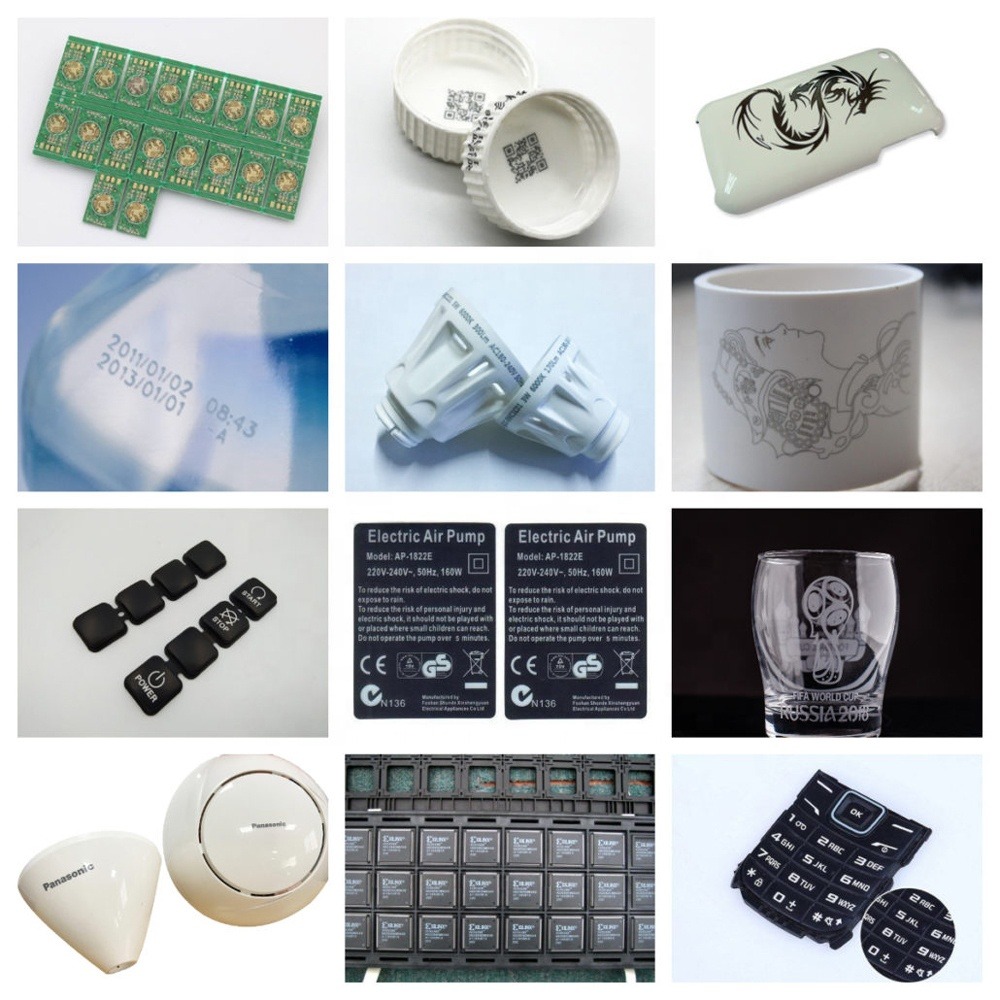
See the published UV laser marking machine page and the UV laser marking guide for related information. Final suitability still requires application validation.
Fiber vs. CO2 vs. UV: an engineering comparison framework
| Decision factor | Fiber | CO2 | UV |
|---|---|---|---|
| First question | Does the target metal and required mark validate with a fiber source? | Does the non-metal, coated, or organic substrate respond as required? | Does the substrate require a different surface interaction or lower heat impact? |
| Material evidence needed | Metal grade, finish, coating, geometry | Material composition, coating, laminate, additives | Substrate, coating, heat sensitivity, required detail |
| Mark requirement | Contrast, serialisation, barcode, engraving, surface effect | Contrast, surface effect, marking or cutting requirement | Fine detail, contrast, surface response, heat sensitivity |
| Production questions | Fixture, rotary, data input, cycle workflow | Extraction, focus, handling, workflow | Handling, inspection, safety, workflow |
| Selection gate | Sample test and readability/appearance approval | Sample test and material-response approval | Sample test and mark-quality/heat-impact approval |
This table is a selection framework, not a specification sheet. Final configuration depends on the material, part, marking content, workflow, and test result. For a broader comparison, see CO2 vs. fiber laser marking for industrial use.
Match the laser decision to the industry workflow
Automotive and industrial components
Prioritise traceability, repeatable part positioning, data input, mark readability, and integration requirements. Document the part family, identification standard, inspection process, and production environment before requesting a recommendation.
Electronics and small components
Prioritise substrate response, feature detail, data integrity, fixture repeatability, and inspection. If the component is coated, laminated, or heat-sensitive, include the full material stack in the sample-test request.
Packaging and consumer products
Prioritise appearance, contrast, line speed, product variation, and the ability to handle different package geometries. Confirm whether the mark is decorative, informational, traceability-related, or regulatory.
Acrylic, wood, and other non-metal materials
Prioritise material composition, thickness, surface finish, edge or surface quality, extraction, and whether the requirement is marking, cutting, or both. Review the acrylic laser cutting application as a starting point, then submit the actual material for review.
What to include in an application review request
- Material name, grade, coating, and supplier if relevant;
- Part photographs and a dimensioned drawing;
- Mark artwork, text, barcode, or sample data;
- Required mark size, location, and readability standard;
- Target production quantity and workflow description;
- Current process and the problem you want to solve;
- Sample parts or material availability;
- Preferred automation, fixture, rotary, or conveyor requirements;
- Inspection method and acceptance criteria;
- Delivery region and contact details.
Do not send confidential drawings or customer information unless your internal approval process allows it.
Sample testing should be a decision gate
A sample test should answer a specific engineering question. Before testing, agree on the material and surface condition, the laser configuration, the mark artwork and dimensions, the inspection method, acceptable and unacceptable results, repeatability requirements, and the information that will be included in the test report.
A sample result should not be presented as a universal production guarantee. It is evidence for the tested material, configuration, and acceptance criteria.
Request an application review
The most reliable way to compare fiber, CO2, and UV options is to review the actual material, part geometry, marking content, and production workflow together.
Share your material, part geometry, marking content, and workflow. The ActionLasers team can review the application and identify the information needed for a suitable machine recommendation.
Request product information or review laser machine support.
FAQ
Is fiber laser always the best choice for metal?
Not automatically. The material grade, surface condition, required appearance, part geometry, and production workflow should be validated through an application review and sample test.
Should I choose CO2 or UV for a non-metal material?
The answer depends on the exact material composition, coating, required mark, heat sensitivity, and workflow. Provide the material details and acceptance criteria rather than choosing from the material name alone.
Do I need a sample test before choosing a laser machine?
A sample test is strongly recommended when the mark quality, heat impact, readability, or material response is important to the purchase decision. Define the acceptance criteria before testing.
What information should I send for an application review?
Send the material details, part photos or drawings, mark artwork, required mark size, production workflow, current process, inspection requirements, and any automation or fixture needs.
Can the system be integrated into an automated line?
Integration depends on the machine configuration, part handling, data source, safety design, and the existing line. Describe the current workflow so the engineering team can assess the requirement. Review laser automation solutions for the relevant product category.