

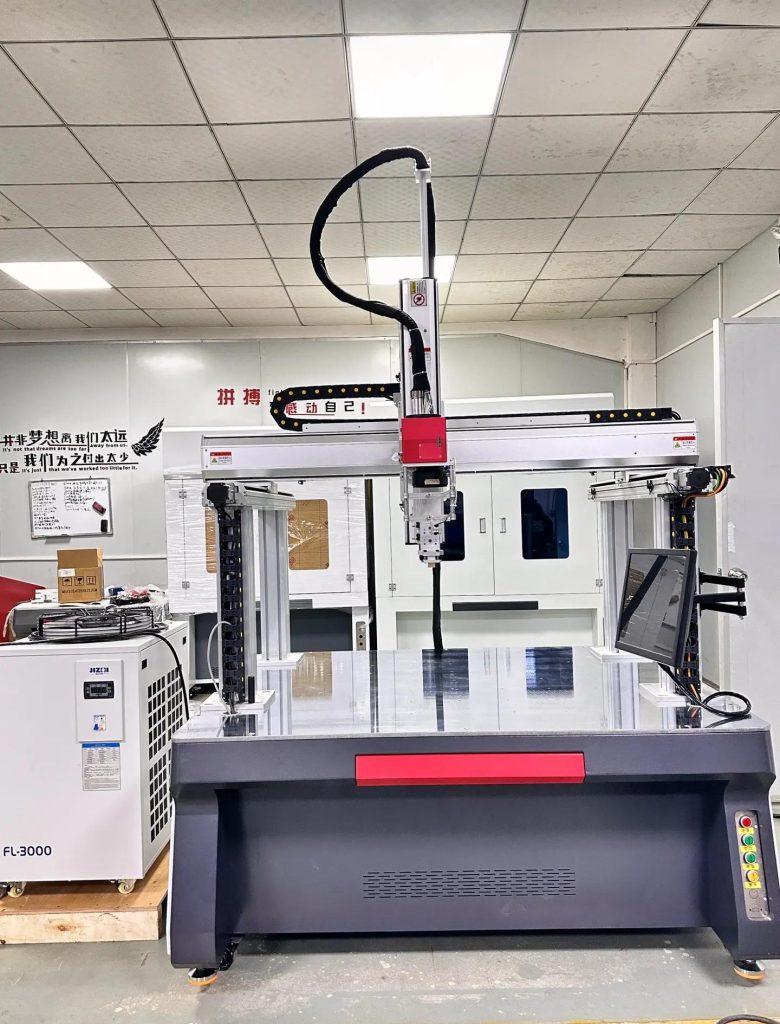
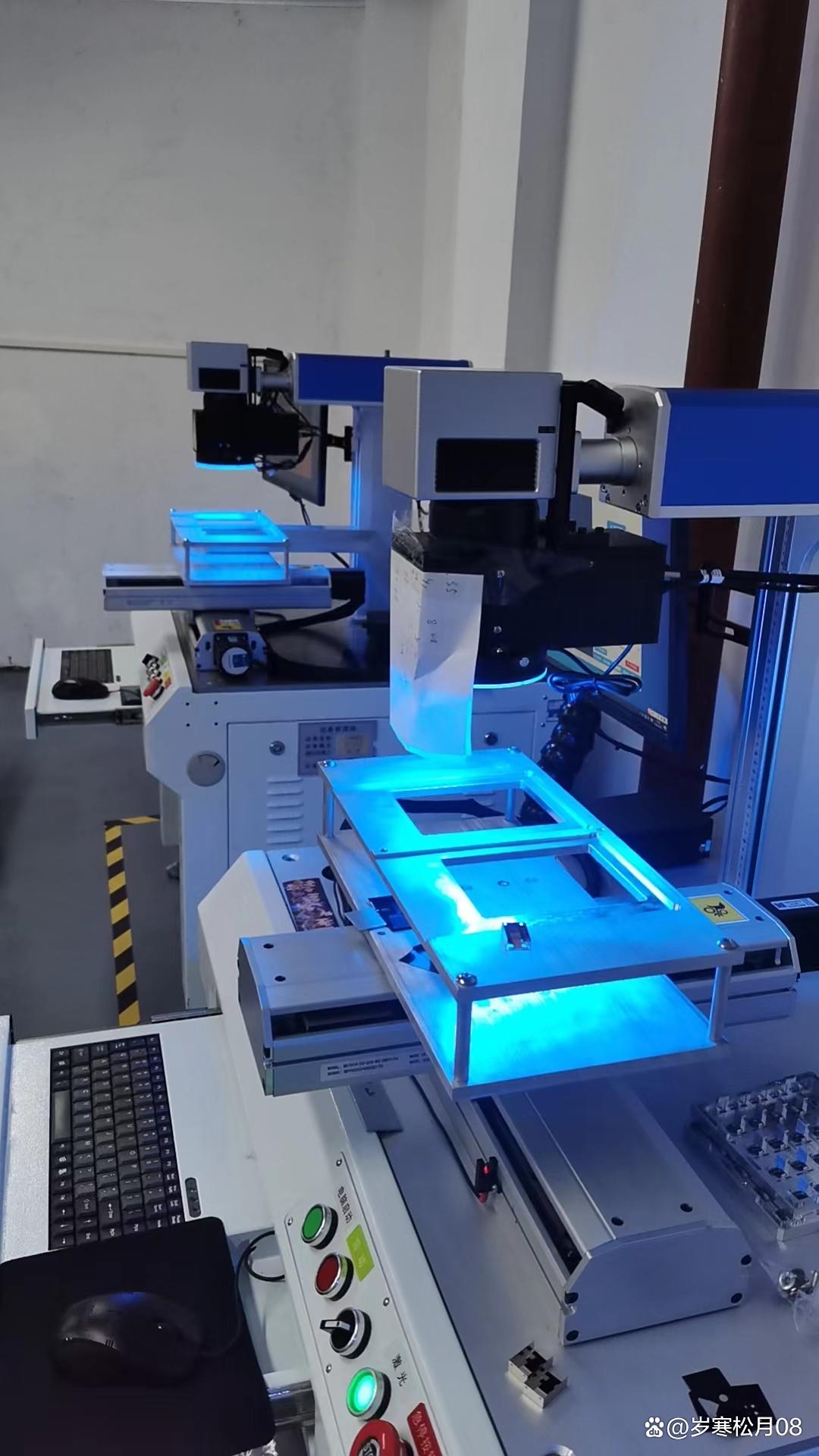
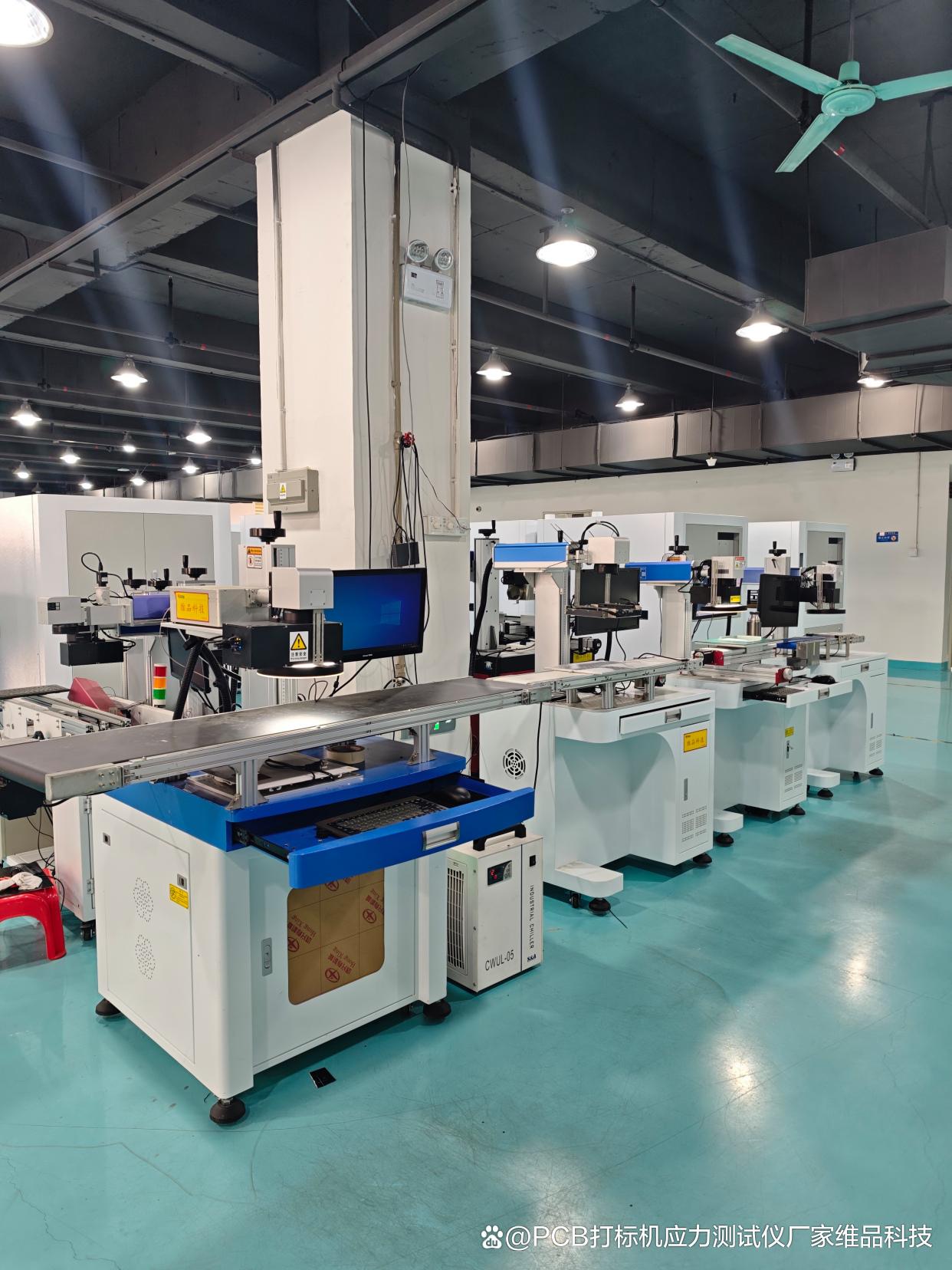
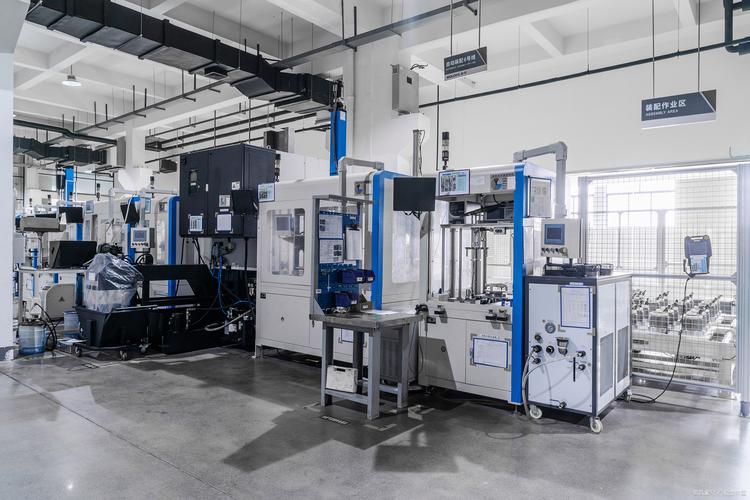
With the arrival of 2026, the global manufacturing industry is stepping into an intelligent, digital and green upgrading era. Laser processing equipment has turned into core basic equipment for advanced manufacturing worldwide, and customized laser automation integrated solutions have become the mainstream demand of factories, processing workshops and production lines.
We deliver one-stop Laser Automation Solutions covering full series laser marking, engraving and cutting equipment, including fiber laser markers, UV laser machines, MOPA laser equipment, CO₂ non-metal laser engravers, online flight marking systems, vision positioning laser machines and automatic feeding supporting units.
Core Advantages of Our Laser Automation System
1. Diverse Laser Types for Full Material Compatibility Our laser devices cover fiber, UV, CO₂ and MOPA laser sources, perfectly processing metals, plastic, glass, ceramic, acrylic, leather, wood, packaging and other materials to satisfy multi-scene industrial production needs.
2. Intelligent & Automated Production Matching Equipped with high-speed galvanometer, panoramic CCD vision recognition and automatic edge-searching function, our flight marking machines can seamlessly connect assembly lines to realize uninterrupted online dynamic marking, greatly lifting production efficiency. We also provide rotary axes, automatic fixtures and customized feeding automation modules for round workpiece batch processing.
3. Stable & Reliable Core Configurations All machines adopt well-known brand core spare parts: stable laser sources, high-precision galvanometers, Mean Well power supplies and mature JCZ control systems. Multiple optional F-theta field lenses are available for different marking ranges, balancing laser intensity and processing area flexibly. Smaller field lenses deliver stronger laser beam energy, while large-format lenses are matched with high-power lasers for wide-area processing.
4. Complete Standard Accessories & Rich Resources Each set of laser equipment is equipped with full supporting accessories: positioning strips, 8GB USB flash drive, hex wrench set, data cable, power cord, foot switch, measuring ruler, test card, installation screws and more. We provide 2600 sets of electronic pattern libraries free of charge to lower your pattern making cost.
Perfect After-Sales & Technical Service
- 2-year full machine warranty for all equipment
- Free lifelong software upgrade, professional operation training and remote technical guidance
- Global after-sales support system to solve equipment operation and maintenance problems timely
Application Fields
Widely applied in electronics, auto parts, food & daily chemical packaging, medical supplies, handicraft engraving, leather processing, woodworking, plastic products, hardware and other industries, applicable to both small workshop single-piece processing and large factory automated assembly line mass production.
Company Strength
Supported by in-depth industry research on the 2026 Global Laser Equipment Market, we own complete product lines, independent matching ability of automation accessories, stable product quality and fast delivery cycle. We offer cost-effective laser automation integrated solutions for global distributors and end manufacturers, complying with international laser safety standards to meet multi-region market access demands.
FAQ
Q1: What materials can Laser Automation Solutions handle?
A: With fiber laser sources the systems mark stainless steel, aluminium, brass, copper, titanium, and coated metals. With CO₂ laser sources they mark wood, leather, acrylic, glass, stone, paper, and many plastics. The specific material compatibility depends on the laser source and lens configuration selected for the installation. An industrial laser marking system can be specified to handle the exact material range the buyer needs.
Q2: What is a rotary axis attachment and when is it needed?
A: A rotary axis attachment rotates cylindrical or conical workpieces during marking so the laser applies continuous marks around the full circumference. It is used for bottles, tubes, rings, bearings, shafts, and any part that requires marking on a curved surface. The attachment is driven by the laser controller and synchronised with the firing sequence for seamless operation. A laser machine with rotary axis attachment eliminates manual indexing for round parts.
Q3: Can the marking field size be changed after the system is installed?
A: Yes. The laser head accepts interchangeable lenses that change the marking field and focal length. A customer can start with a standard 110×110 mm field and later switch to a 300×300 mm lens if larger parts enter production. The swap takes a few minutes and requires no modification to the laser source or its alignment. This field-change capability is a standard feature of these systems.
Q4: What kind of technical support is included with the system?
A: Every package includes setup documentation, operational guidance, and remote diagnostics support. The service team can access the controller remotely to troubleshoot marking parameters, software configuration, or automation settings. Spare-parts recommendations are structured around typical wear cycles to help the buyer plan maintenance schedules. A reputable laser marking equipment supplier provides this level of ongoing support as part of the package.
Q5: Is the system difficult for a new operator to learn?
A: The control software supports common graphics formats including DXF, PLT, AI, SVG, BMP, and PNG. A new operator can typically produce a basic mark within the first day. Systematic technical guidance shortens the learning curve, and the remote support team can walk through specific application setups by screen sharing. Laser engraving automation systems are designed with operator usability in mind, not just machine capability.
Q6: Can the same machine handle both metal and plastic marking?
A: A machine equipped with a fiber laser source marks metals and some engineered plastics. A CO₂ laser source handles non-metals. For a facility that marks both metal parts and plastic packaging, a dual-source configuration or two dedicated machines would be required. The modular platform makes it straightforward to add a second laser source later if the production mix changes. An industrial laser marking system can be expanded rather than replaced.
Q7: What file formats does the marking software accept?
A: The software accepts vector and bitmap formats including DXF, PLT, AI, SVG, BMP, JPEG, and PNG. Serial-number templates, barcodes, and QR codes can be generated within the software without external tools. Logo files in vector format produce the cleanest results for consistent reproduction. These format capabilities are standard across the Laser Automation Solutions range.
Q8: How does the rotary axis attach to the laser machine?
A: The rotary axis unit sits on the machine bed or is mounted on the worktable. It connects to the laser controller via a dedicated port, and the marking software includes a rotary mode that maps linear motion to rotational degrees. The workpiece is clamped between a motorised chuck and a tailstock with adjustable centres for different lengths. A laser machine with rotary axis attachment is ready for cylindrical marking out of the box.
Q9: Is the laser system safe for operation in a factory environment?
A: Each machine is enclosed with a protective housing that contains the laser beam and meets standard laser safety classifications. Interlock switches stop the laser if the enclosure is opened during operation. Exhaust connections remove fumes generated during marking, and the operator controls are positioned outside the enclosure for safe access. These safety features are built into every industrial laser marking system we supply.
Q10: Can the lens be swapped without re-aligning the optical path?
A: The lens mount uses a quick-change mechanism designed for field replacement without optical realignment. Each lens is pre-calibrated to the mounting interface, so the operator simply unlocks the current lens, slides in the new one, and locks it into position. The system software then adjusts the marking field parameters automatically. This quick-change design is a practical feature of the laser engraving automation platform.