

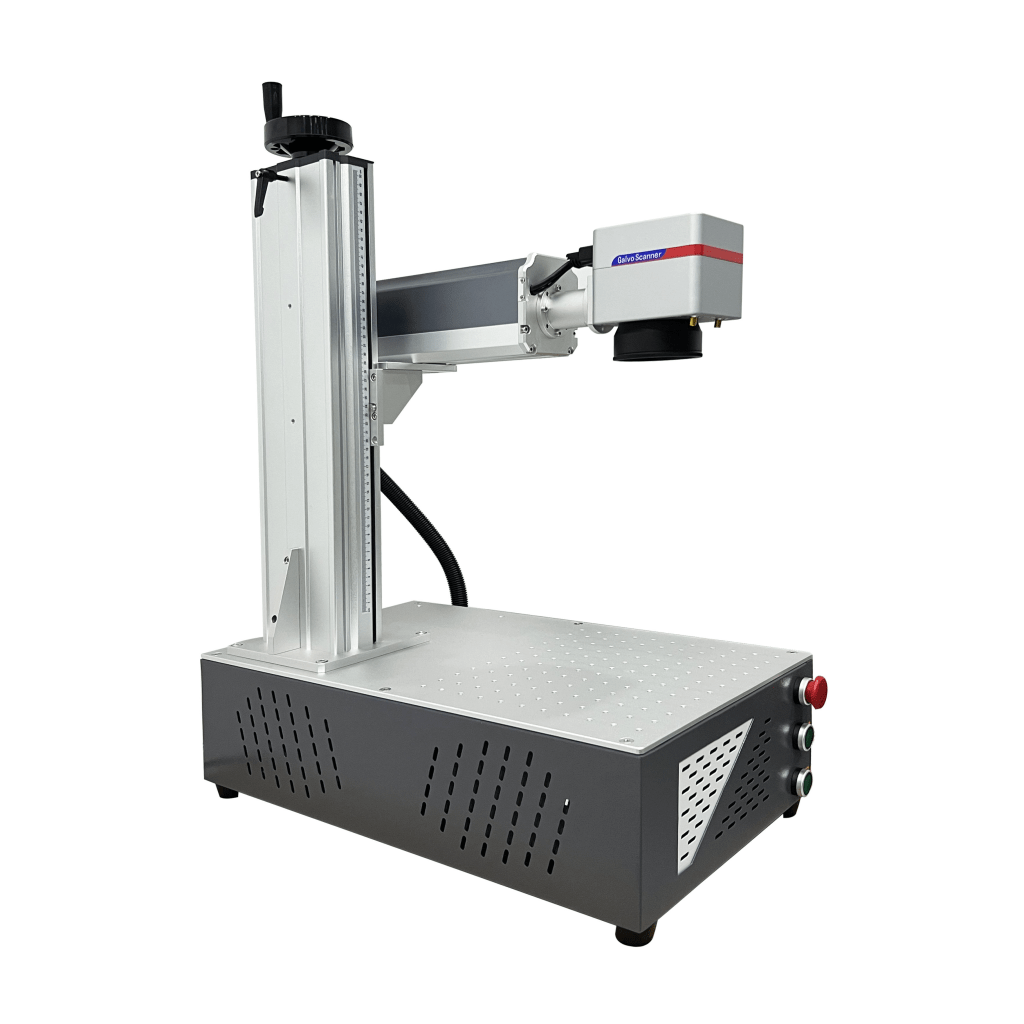
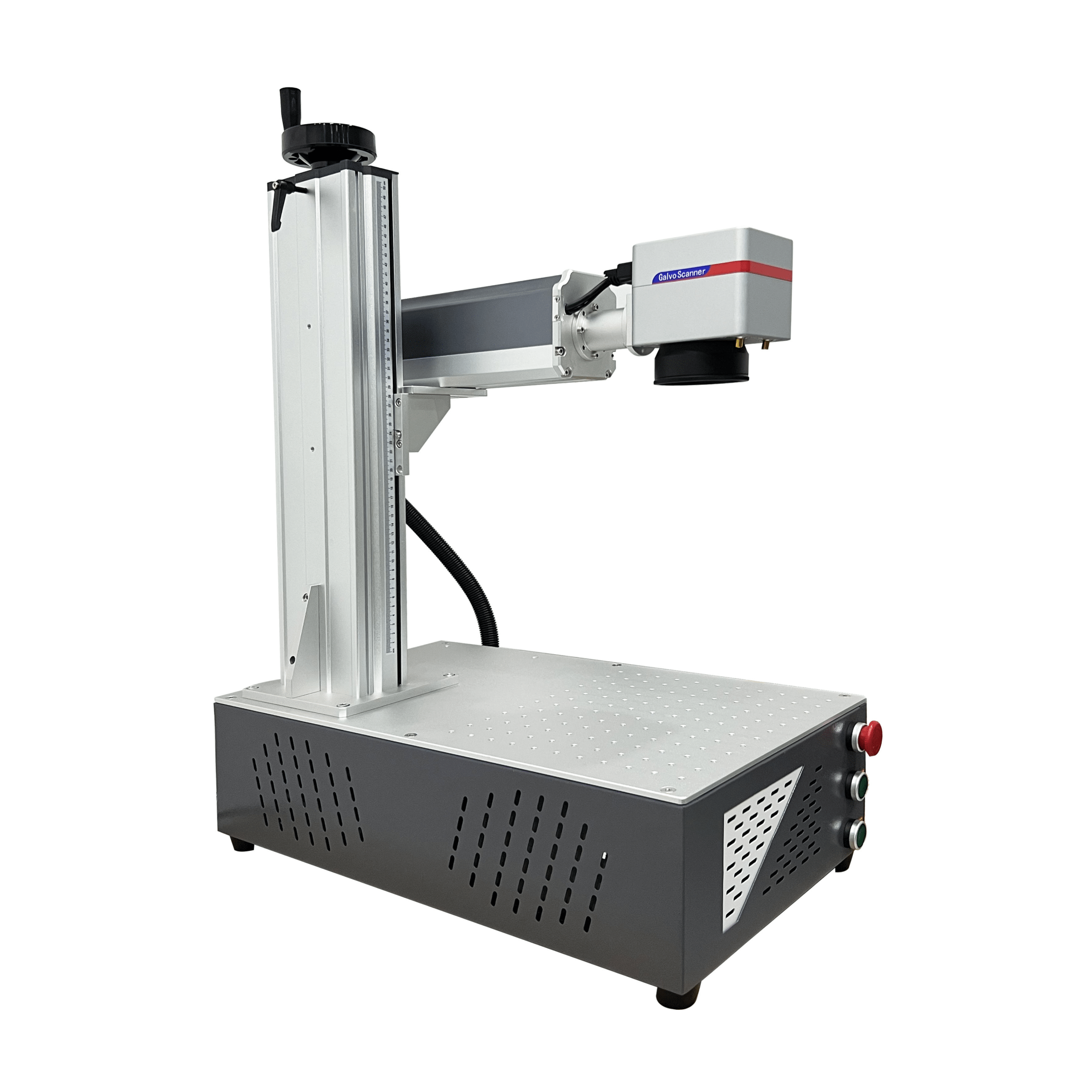
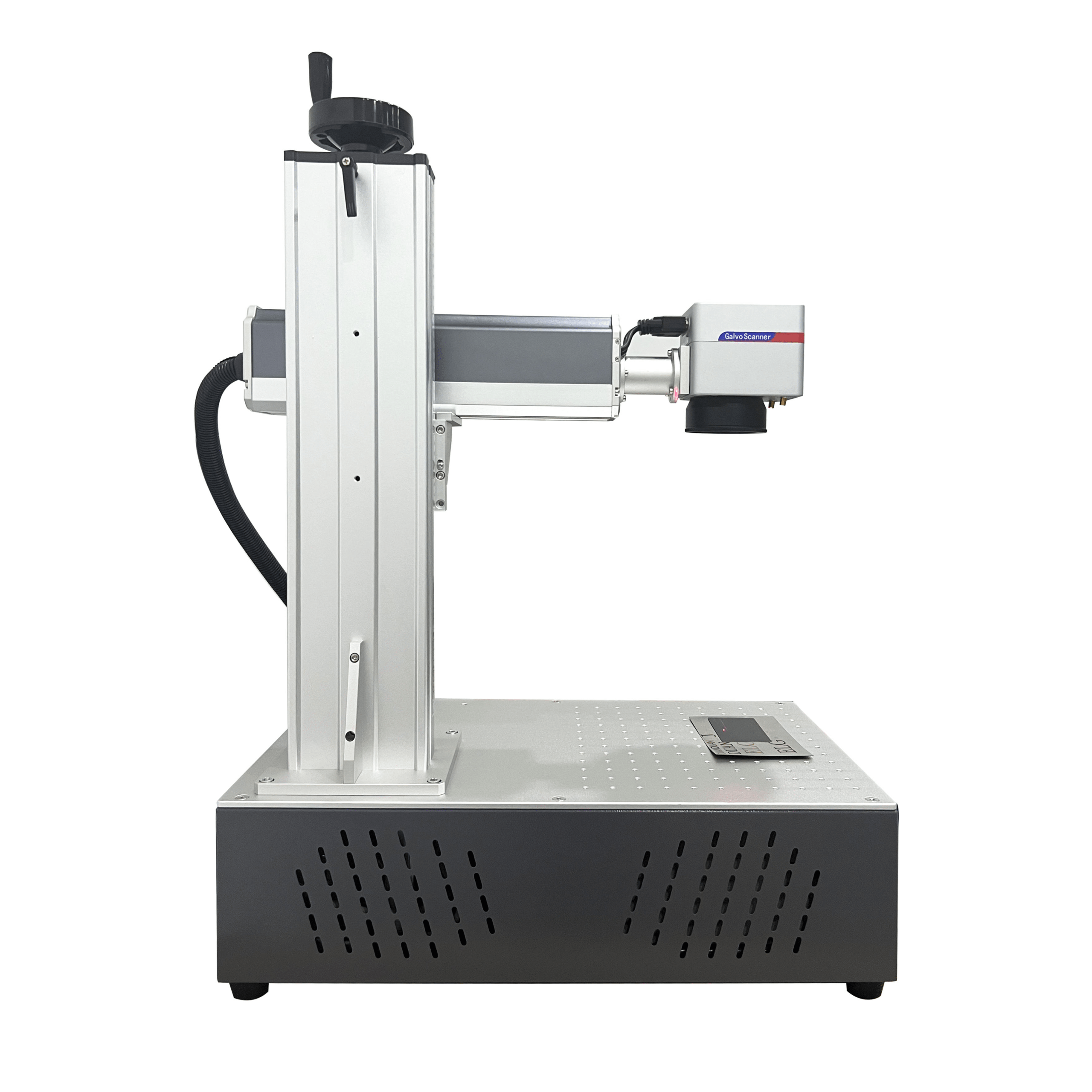
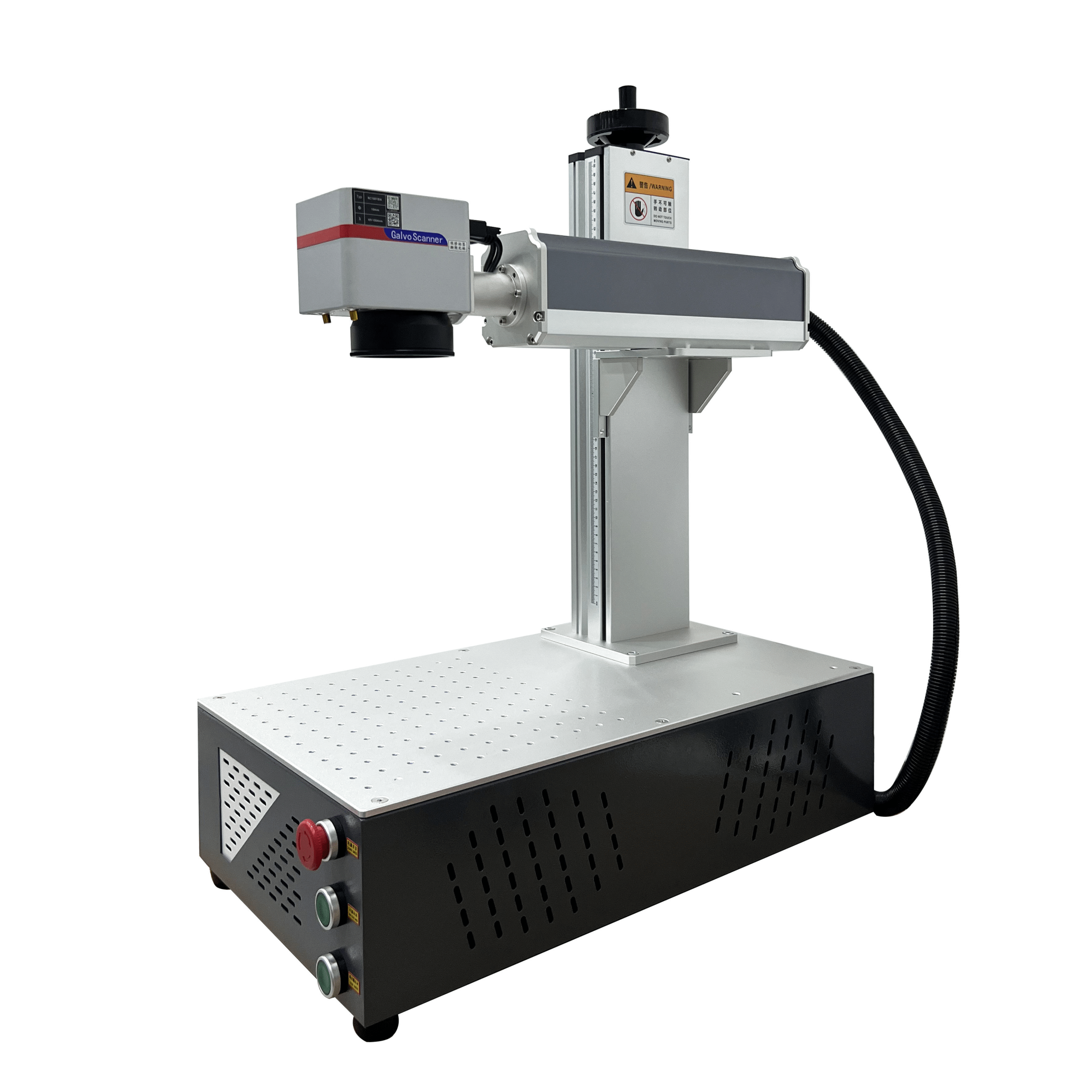
Product Overview
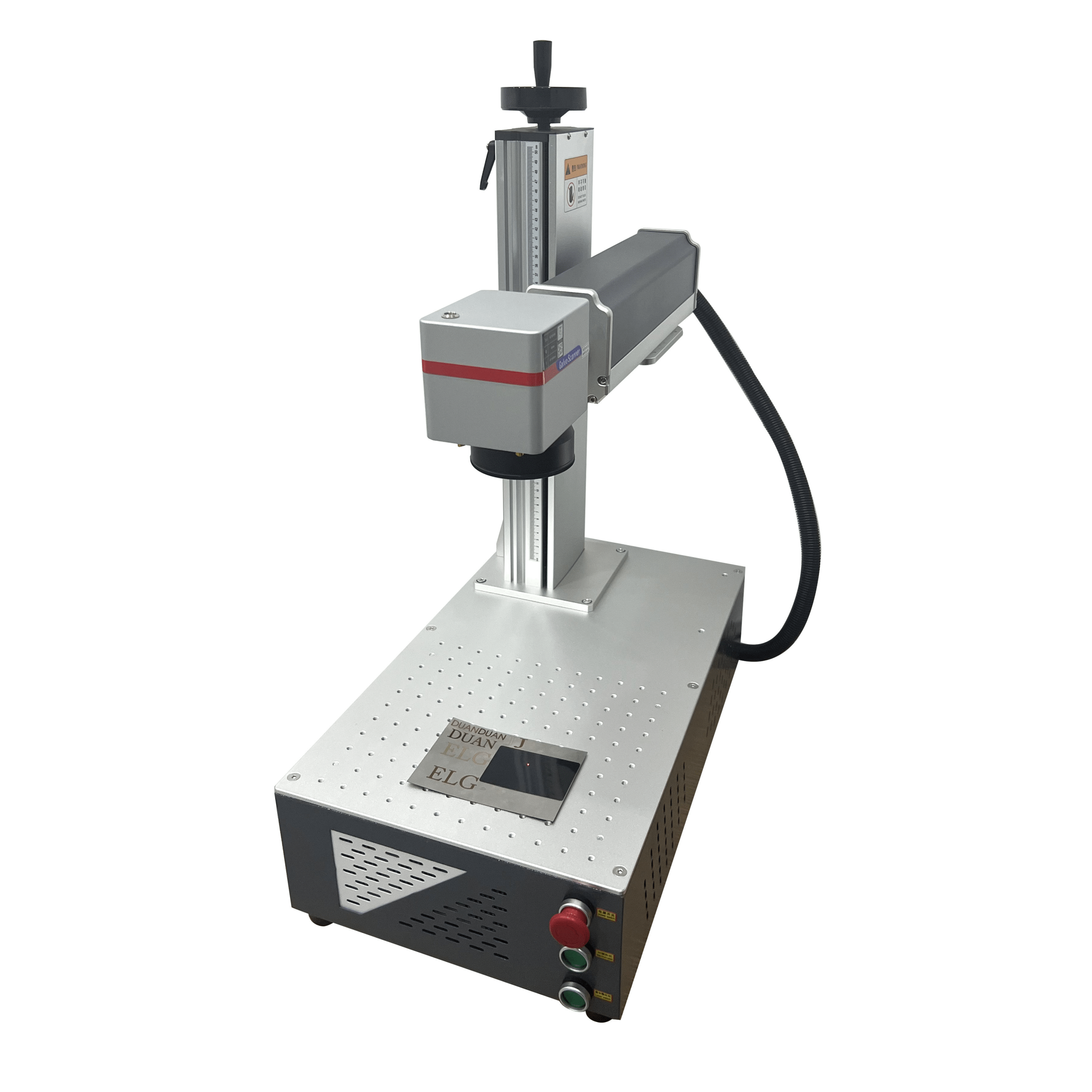
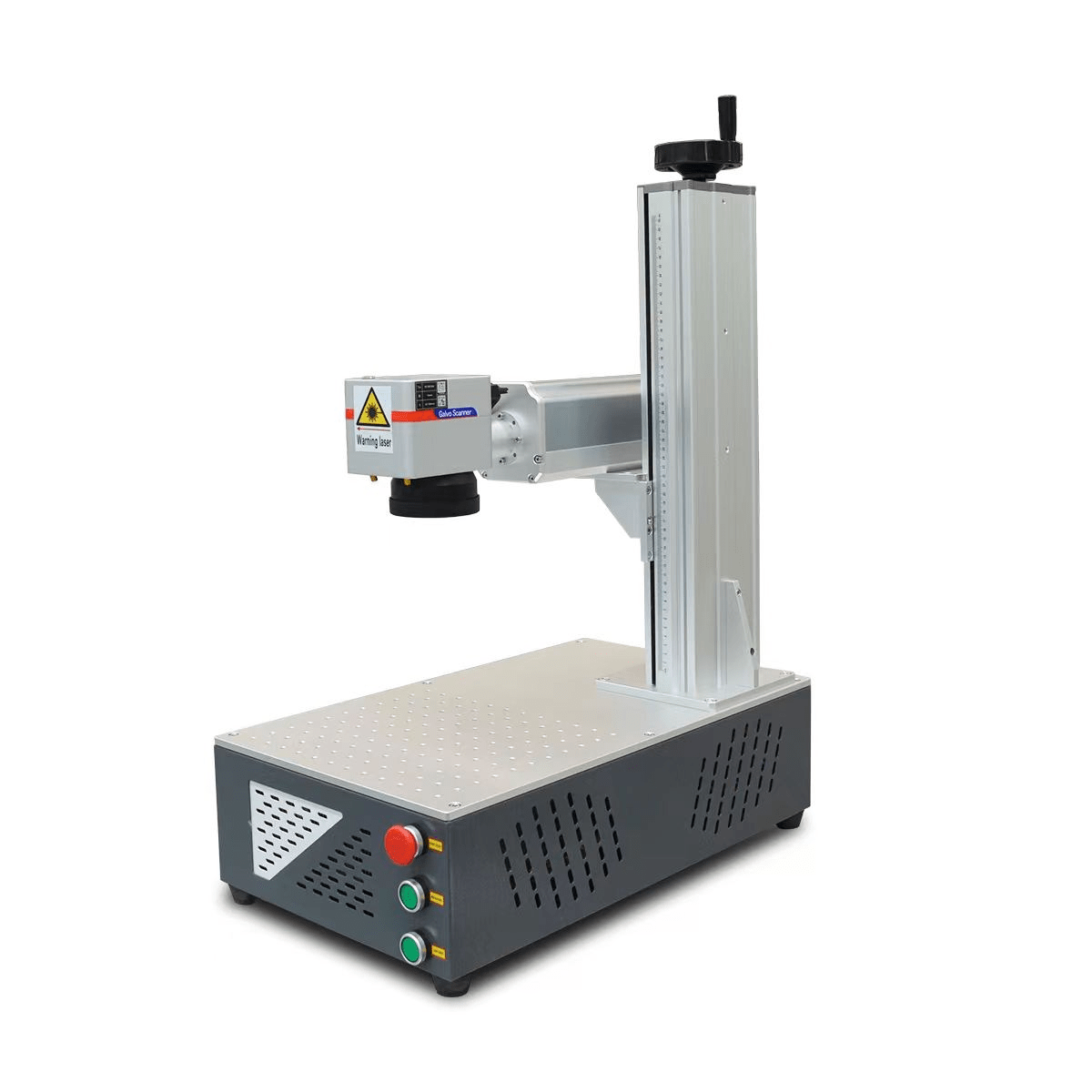
The optical fiber marking machine is a high-precision laser marking system engineered for industrial-grade permanent marking on metals, alloys, hardware, and plastics. Operating at a 1060nm wavelength with beam quality of M²<1.5 and a minimum line width of 0.01mm, this fiber laser marking machine produces exceptionally clear and durable marks — including serial numbers, texts, logos, two-dimensional codes, and QR codes — that remain legible throughout the product’s service life.
Available in 20W, 30W, and 50W power output configurations, this fiber laser marker covers a wide spectrum of marking requirements. The 20W variant is ideal for fine shallow marking on thin-gauge materials and small components. The 30W option offers the best balance of marking speed and depth for general-purpose production environments. The 50W version handles deep engraving, thick-layer marking, and high-throughput production runs on harder materials. All three configurations share the same rugged platform — air-cooled, 200W overall power consumption, and a compact footprint suitable for both automated production lines and manual workstations.
The standard marking area ranges from 110×110mm to 300×300mm via interchangeable F-theta lenses, giving operators the flexibility to switch between fine detailed work and larger format marking tasks. With a repeat accuracy of ±0.001mm and engraving line speed of up to 12,000mm/s, this fiber laser engraving machine maintains precise tolerances even at high production speeds, making it a reliable choice for continuous manufacturing operations. This laser marking system is also designed to integrate seamlessly with existing factory automation infrastructure.
Technical Specifications
| Product name | Optical fiber marking machine |
| Scope of marking | 110×110/150×150/200×200/300×300(mm) |
| Laser wavelength | 1060nm |
| Beam quality | m2<1.5 |
| Minimum line width | 0.01mm |
| Minimum characters | 0.05mm |
| Repeat accuracy | +0.001mm |
| Engraving line speed | ≤12000mm/s |
| Supply voltage | 220V/50HZ/10A |
| Cooling mode | Air cooling |
| Overall power | 200W |
| Repetition rate | <100KHZ |
Product Features
High Beam Quality and Precision
The optical fiber marking machine delivers beam quality of M²<1.5, producing an ultra-fine focal spot that enables line widths as narrow as 0.01mm and minimum character heights of 0.05mm. This level of precision is essential for applications requiring high-density marking, such as electronic component serialization, component trace codes, and micro-scale part identification. The ±0.001mm repeat accuracy ensures that every mark is placed exactly where intended, cycle after cycle, which is critical for automated production workflows where consistency directly affects yield rates.
Multiple Power Options for Versatile Applications
With three power levels available — 20W, 30W, and 50W — users can select the optimal configuration for their specific marking requirements. The 20W fiber laser marking machine is well suited for surface annealing, shallow etching, and thin-material marking where minimal material removal is desired. The 30W option provides a versatile sweet spot, capable of marking a wide range of materials at good speed with moderate depth. The 50W system excels at deep engraving, thick coating removal, and marking on harder substrates, delivering clear results even on challenging surfaces. Each power variant of this fiber laser marker is built on the same control platform for operational consistency.
Maintenance-Free Operation and Long Service Life
The fiber laser source features a solid-state design with no consumable parts such as laser lamps or gases, eliminating routine maintenance intervals and reducing total cost of ownership. The air-cooled thermal management system removes the need for chiller maintenance and coolant replacement. Combined with an expected service life significantly longer than traditional YAG or CO₂ laser sources, this laser marking system offers a reliable, low-interruption solution for production environments where uptime is a priority.
Versatile Material Compatibility
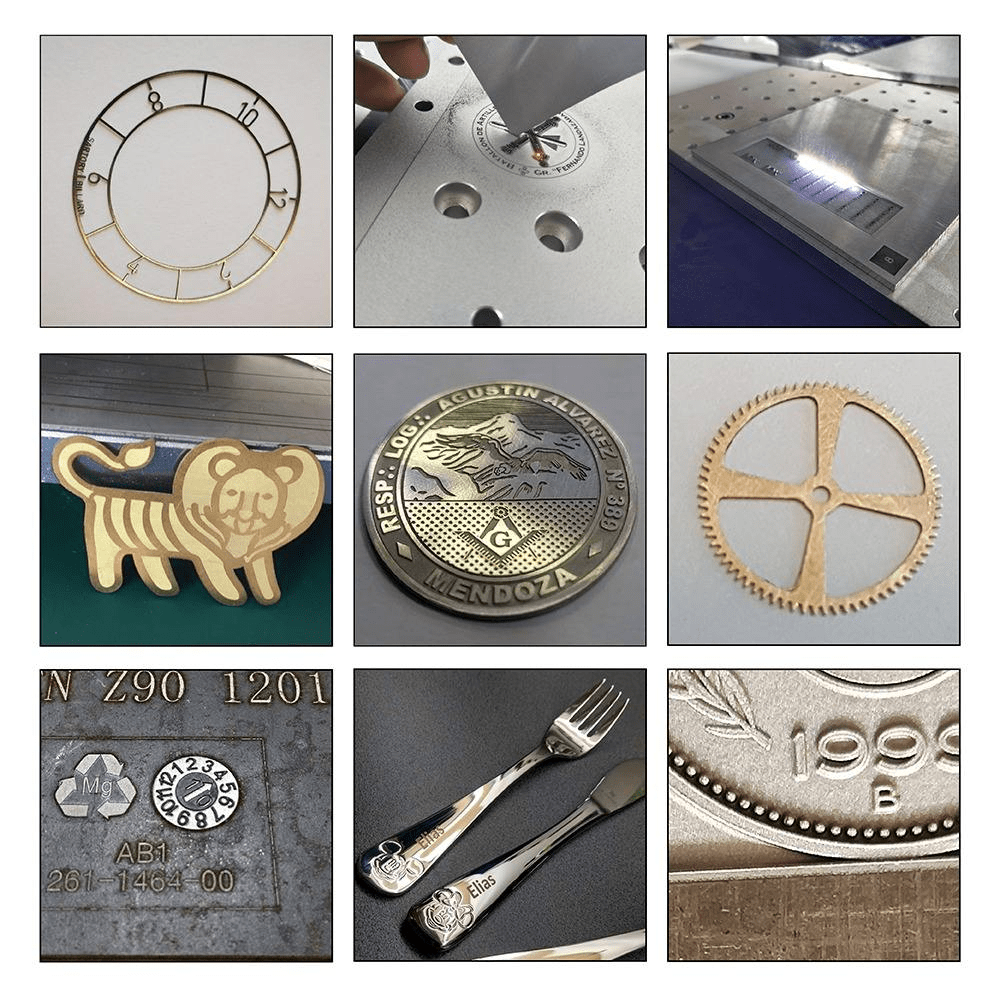
This optical fiber marking machine can permanently mark stainless steel, aluminum, copper, brass, carbon steel, hardened metals, and a wide range of plastics and engineered materials. The 1060nm wavelength is absorbed efficiently by most metals, producing high-contrast, wear-resistant marks without the need for additional coatings or chemical treatments. Logos, barcodes, serial numbers, date codes, and alphanumeric text can all be applied directly to the workpiece surface with excellent readability and permanence. As a fiber laser engraving machine, it handles both shallow surface marking and deeper engraved text with equal reliability.
Dual-Mode Operation for Production Flexibility
The system supports both static marking and assembly-line (conveyor) operation modes. In static mode, operators position individual workpieces for precision marking — ideal for prototype runs, small batches, or custom jobs. In assembly-line mode, the fiber laser marker synchronizes with production line motion sensors or encoders to mark parts in continuous flow, maximizing throughput for high-volume manufacturing environments. This dual-mode capability allows a single optical fiber marking machine to serve both job-shop and production-line roles without reconfiguration.
Business Value
Investing in this fiber laser marking machine delivers measurable returns across multiple dimensions of production operations. The maintenance-free fiber laser source eliminates recurring costs associated with lamp replacement, mirror alignment, and cooling system upkeep, reducing annual consumable and labor expenses. The air-cooled design further cuts overhead by removing the need for chiller installation and maintenance, which also saves factory floor space.
The system’s engraving line speed of up to 12,000mm/s and repeat accuracy within ±0.001mm directly improve throughput while reducing scrap rates from mispositioned marks. Faster marking cycles mean higher daily output per machine, lowering the per-part cost. The ability to switch between 110×110mm and 300×300mm marking areas using interchangeable F-theta lenses provides operational flexibility — one optical fiber marking machine can handle both micro-scale parts and larger components without dedicated tooling changes.
From a procurement perspective, this fiber laser marker offers a clear upgrade path: start with a 20W or 30W configuration and upgrade the laser source as production volumes grow, protecting the initial capital investment. The common platform across all power variants simplifies spare parts inventory and operator training, reducing the hidden costs of running multiple machine types.
Applications
This fiber laser marking machine is deployed across a broad range of industries where permanent, high-contrast marking is a production requirement.
In the electronics industry, manufacturers use this optical fiber marking machine to apply serial numbers, date codes, and logos on PCB boards, connectors, switch housings, and semiconductor packages. The fine beam quality (M²<1.5) enables marking on small surface areas without thermal damage to adjacent components, which is critical for sensitive electronic assemblies.
Auto parts suppliers rely on the system for direct part marking (DPM) of VIN numbers, engine codes, torque specifications, and component traceability identifiers on engine blocks, transmission housings, brake calipers, and chassis parts. The wear-resistant marks withstand the harsh conditions of engine compartments and underbody environments, including exposure to heat, oil, and road debris.
In the jewelry and accessories sector, this fiber laser engraving machine is used for engraving logos, brand names, purity stamps, and decorative patterns on gold, silver, platinum, and stainless steel items. The 20W configuration is particularly suitable for delicate work on thin profiles and curved surfaces where minimal material penetration is desirable.
Hardware and tool manufacturers adopt this laser marking system for marking measurement markings, brand identification, and certification marks on cutting tools, hand tools, measuring instruments, and industrial hardware. The 50W configuration provides the depth required for marking on hardened steel surfaces where readability must survive repeated use and cleaning.
For packaging and plastic parts marking, the system applies expiry dates, batch numbers, and barcodes on plastic housings, caps, bottles, and engineering plastic components. The 1060nm wavelength produces clean marks on most industrial plastics without the charring or discoloration that can occur with CO₂ lasers.
Customization & Packaging Options
Each optical fiber marking machine is delivered as a complete marking system with all essential components and accessories for immediate setup and operation. The standard package includes:
- Laser optical path assembly with integrated galvanometer scanner
- Power control cabinet — black main body with working plate
- F-theta lens (F210, marking area 150×150mm)
- 1GB USB flash drive for file transfer
- 1-meter USB 2.0 data cable
- 20cm stainless steel ruler for calibration reference
- 2-pin aviation plug foot switch for hands-free triggering
- 6-piece heavy-duty hex screwdriver set for maintenance
- Black aluminum alloy positioning fixture for workpiece alignment
- 220VAC IEC C13 power cord
- Mounting screws and hardware
For buyers requiring specific marking area configurations, the F-theta lens can be customized to support 110×110mm, 200×200mm, or 300×300mm marking fields. The system software supports multiple file formats including DXF, PLT, AI, and BMP, enabling integration with existing design and production workflows. Technical documentation and operation manuals are provided in digital format on the included USB drive.
Why Choose This Optical Fiber Marking Machine
This fiber laser marking machine stands out in the market for its combination of precision, reliability, and operational simplicity. The solid-state fiber laser source eliminates the consumable costs and maintenance downtime associated with lamp-pumped or gas laser systems, delivering a total cost of ownership advantage that becomes more significant over years of continuous operation.
The three power options allow buyers to match this fiber laser marker precisely to their marking requirements without over-investing in unnecessary capacity. A small workshop marking thin stainless steel parts can start with the 20W configuration, while a high-volume auto parts supplier processing engine blocks would choose the 50W variant — both built on the same platform with the same reliability characteristics.
The extensive accessories package means this laser marking system is ready to mark out of the crate, with no hidden procurement of calibration tools, foot switches, or mounting fixtures. The included positioning fixture and F-theta lens allow operators to begin production marking on the first day with minimal setup overhead.
For manufacturers seeking to implement part traceability or meet industry-specific direct part marking standards, this optical fiber marking machine provides the repeat accuracy and mark permanence required for compliance with production traceability requirements.
FAQ
Q1: What materials can the optical fiber marking machine mark?
A: This fiber laser marking machine can permanently mark stainless steel, aluminum, copper, brass, carbon steel, hardened metals, and most industrial plastics. The 1060nm wavelength is absorbed efficiently by metals, producing high-contrast, wear-resistant marks without additional coatings.
Q2: What is the difference between the 20W, 30W, and 50W versions?
A: The 20W variant is designed for fine shallow marking and thin-material applications. The 30W offers balanced performance for general-purpose marking. The 50W handles deep engraving, thick-layer marking, and harder materials. All three share the same control platform and mechanical structure of this fiber laser marker series.
Q3: What marking area sizes are available?
A: The standard laser marking system supports marking areas of 110×110mm, 150×150mm, 200×200mm, and 300×300mm by using different F-theta lenses. A F210 lens providing a 150×150mm marking area is included in the standard package.
Q4: Is the system difficult to set up and operate?
A: The system arrives as a complete package with all accessories needed for immediate setup. The included USB drive contains operation manuals, and the intuitive software supports common file formats such as DXF, PLT, AI, and BMP for straightforward design import.
Q5: Can this fiber laser marker be integrated into an automated production line?
A: Yes. The optical fiber marking machine supports both static marking and assembly-line operation modes. In line mode, it can synchronize with conveyor motion sensors or encoders to mark parts in continuous flow, making it suitable for automated manufacturing environments.
Q6: What is the maximum marking speed of this laser marking system?
A: The engraving line speed reaches up to 12,000mm/s, with a repetition rate of less than 100KHz. Actual marking time depends on the marking area size, text density, and material characteristics.
Q7: Does the laser source require regular maintenance?
A: No. The fiber laser source is solid-state and maintenance-free, with no consumable parts such as laser lamps or gases. The air-cooled system eliminates the need for chiller maintenance and coolant replacement, making this fiber laser marking machine a low-upkeep production tool.
Q8: What file formats does the marking software support?
A: The software supports DXF, PLT, AI, BMP, and other common vector and raster file formats, enabling seamless integration with existing CAD and design workflows.
Q9: What power supply is required to operate the machine?
A: The system requires a standard 220V / 50Hz / 10A single-phase AC power supply. The overall power consumption is only 200W, making it energy-efficient and compatible with most industrial and workshop electrical installations.
Q10: What is the repeat accuracy of this optical fiber marking machine?
A: The system achieves a repeat accuracy of ±0.001mm, ensuring consistent mark placement across multiple production cycles. This level of precision is essential for automated workflows where positioning consistency directly affects quality yield.